Running Cadence: The Step-Rate Fix That Quietly Solves a Dozen Form Problems
Cadence is running form’s master dial — the single adjustment that shortens overstrides, softens landings and quiets a dozen problems at once — and it’s also wrapped in a magic-number myth. The cadence guide: the science, the protocol and the progression.

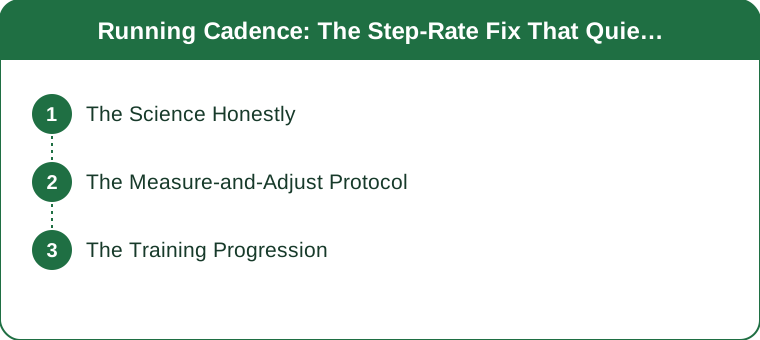
The Science Honestly
What step rate actually does: the overstride mechanism (the low cadence usually meaning long, reaching strides — the foot landing ahead of the body as the braking-and-loading error from the form doctrine; the quicker steps pulling the landing under the hips automatically), the load-reduction evidence (the modest cadence increases reducing impact forces and knee loading in studies — the 5-10 percent bump being the studied dose; the form fix that needs no thinking about form), the 180-myth correction (the magic 180 number being descriptive of some elites, not prescriptive for you — the individual optimal varying with height, speed and build; the YOUR-cadence-plus-5-percent frame replacing the universal target), the speed-dependence note (the cadence naturally rising with pace — the easy-run and interval cadences differing correctly; the comparison made at matched paces), and the who-benefits honesty (the overstriders and injury-prone gaining most — the already-quick steppers leaving it alone per the if-it-works doctrine; the form fix for a problem, not a hobby).

The Measure-and-Adjust Protocol
Finding your numbers: the measurement options (the watch’s cadence field — the one-minute manual count doubled; the easy-pace baseline taken across several runs per the tracking doctrine), the assessment guide (the under-160 easy-pace cadence with injury history flagging the classic overstride candidate — the 165-175 range being common and fine; the video check from the form doctrine confirming: the landing position mattering more than the number), the target setting (the current cadence PLUS 5 percent — the 160 becoming 168, not 180; the modest dose from the research; the second bump considered only after the first consolidates), the adjustment cues (the ‘quicker, lighter steps’ feel — the shorter-stride acceptance: the pace held while steps quicken; the imagining-hot-ground and drumbeat cues), and the effort honesty (the new cadence feeling awkward and slightly harder for weeks — the adaptation cost named; the economy returning as it automates per the skill doctrine).
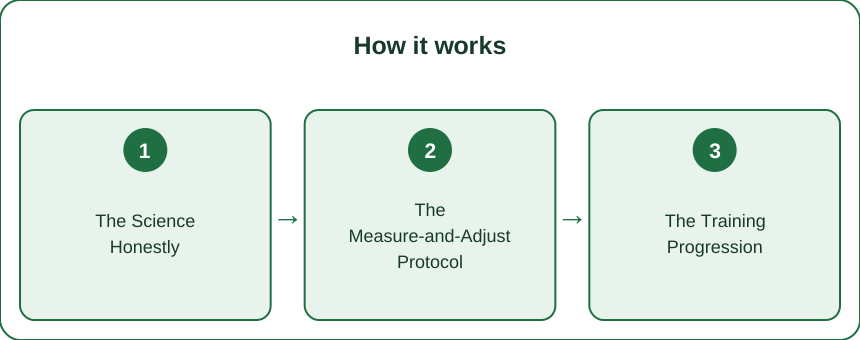
The Training Progression
Making it automatic: the metronome method (the metronome-or-playlist at target cadence — the beat-matched running from the music doctrine; the cadence playlists and watch alerts as tools), the interval approach (the one-minute-on, one-minute-off cadence drills within easy runs — the new pattern practiced in doses; the whole-run conversion deferred per the progression doctrine), the weekly structure (the two-three cadence-focus runs — the easy runs as the laboratory; the quality sessions left alone until the pattern holds), the consolidation timeline (the 4-8 weeks to natural — the awkward phase outlasted; the checked-monthly maintenance per the habit doctrine), the drill support (the high-knee and quick-feet drills from the drill doctrine priming the pattern — the strides at the end of easy runs rehearsing quickness), and the whole-form context (the cadence as ONE dial — the posture-and-relaxation basics from the form doctrine still leading; the tall-and-relaxed runner with quick steps being the complete picture; the dial turned gently, the dozen problems quietly shrinking). Measure first, add 5 percent, metronome it in: the step rate, tuned to yours.
Forget the magic 180 — measure YOUR easy-pace cadence and add 5 percent, trained with a metronome in one-minute doses inside easy runs. Quicker steps pull the landing under your hips, cutting braking and knee load automatically; expect 4-8 awkward weeks before it’s yours.
Keep Reading
This article is for general informational purposes only and is not medical advice. Always consult a qualified health professional for guidance specific to you.