How Running Form Quietly Changes in Cold Weather (and Why It Matters)
Quick Answer: Cold weather tends to shorten stride length, tighten shoulders and neck posture, and reduce ankle mobility slightly, all of which combine to make cold-weather running feel stiffer and less efficient than the same pace on a warm day, even at identical effort levels.
Feeling clunkier on a cold run isn’t just in your head — several small, measurable form changes happen automatically once temperatures drop.
Why does cold weather actually change running form?
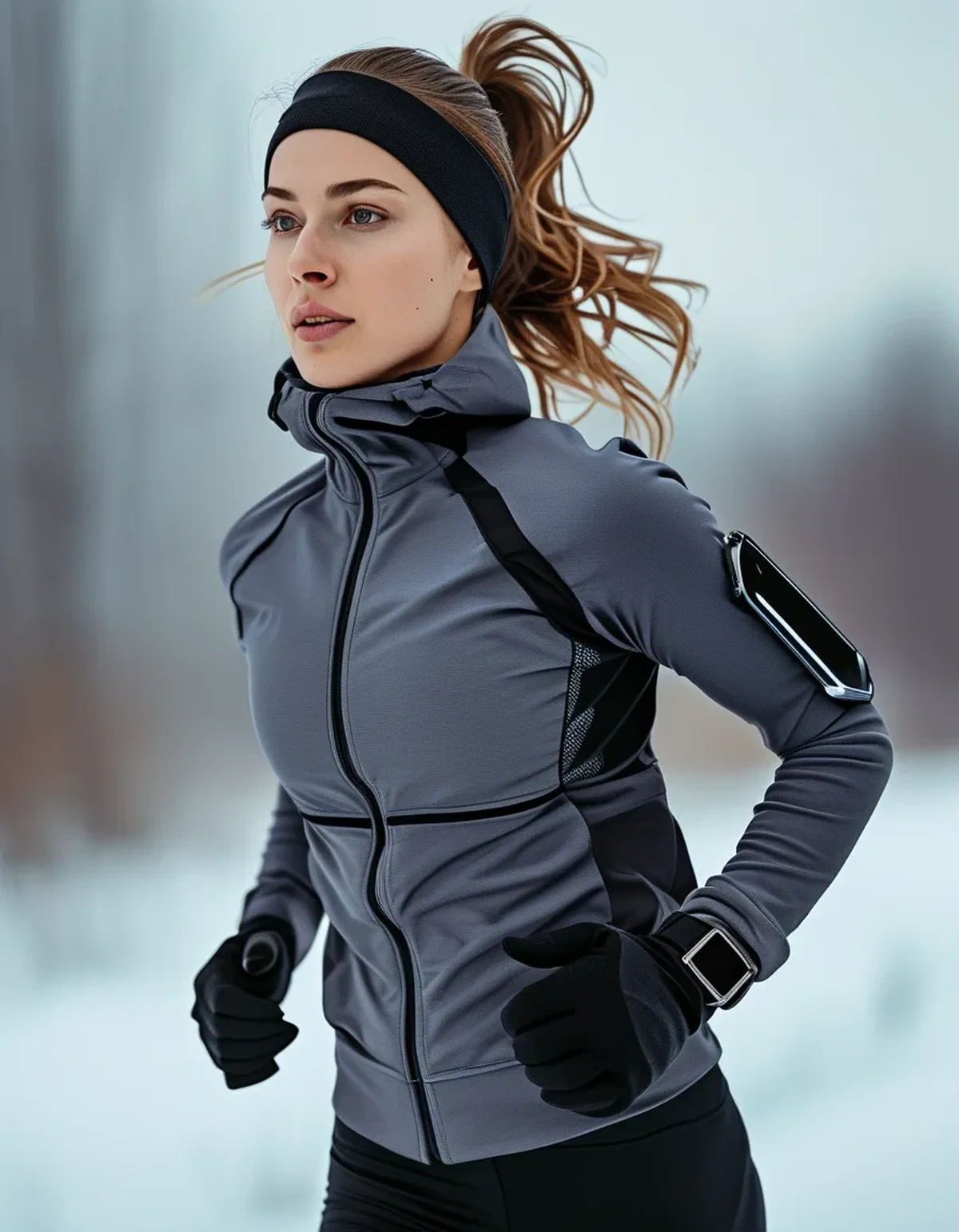
Cold temperatures cause an instinctive tightening response, particularly around the shoulders and neck, as the body tries to conserve heat, which pulls posture out of its usual relaxed alignment.
Reduced tissue elasticity in colder muscles and connective tissue also slightly limits range of motion, especially at the ankle, which shortens stride length even when effort feels the same as usual.
How much does this actually affect running efficiency?
A shortened stride combined with tense shoulders increases the energy cost of running at a given pace, which is part of why the same effort level often produces a slower pace in cold weather.
None of this reflects a loss of fitness — it’s a temporary mechanical shift that happens to almost everyone in cold conditions, not a sign of declining performance.

Myth vs Fact: Cold Weather Running Form
Myth: a slower cold-weather pace at the same effort means fitness has dropped. Fact: cold-related form changes genuinely reduce efficiency, meaning a slower pace at equal effort is expected, not a fitness regression.
Myth: this effect goes away completely once you’re warmed up. Fact: a proper warm-up helps significantly, but some residual stiffness from cold air exposure can persist through a run, especially in extremities.
What can runners actually do about it?
A longer, more gradual warm-up than usual — closer to 10 minutes of easy movement before picking up pace — gives cold muscles and joints more time to loosen up before demanding full range of motion.
Consciously relaxing the shoulders every few minutes during a cold run counteracts the instinctive tightening response that otherwise builds tension gradually without the runner noticing.
FAQ: Cold Weather Running Form Questions, Answered
At what temperature do these form changes typically start showing up?
Most runners notice a difference somewhere below 40°F (about 4°C), though this varies by individual and clothing.
Does stride length come back to normal once running distance increases?
Usually yes — as the body warms up over the first mile or two, stride length typically normalizes closer to warm-weather patterns.
Should pace expectations be adjusted for cold-weather runs?
Yes — treating cold runs by effort rather than a fixed pace target accounts for the real efficiency changes cold weather introduces.
TL;DR:
- Cold weather shortens stride and tightens shoulder posture through an instinctive heat-conservation response
- These changes genuinely reduce running efficiency, not just perceived difficulty
- A slower pace at equal effort in cold weather is expected, not a fitness decline
- A longer warm-up and conscious shoulder relaxation both help offset the effect
Cold-weather form changes are real and measurable — adjust pace expectations rather than fighting the shift.
Keep Reading
This article is for general informational purposes only and is not medical advice. Always consult a qualified health professional for guidance specific to you.